A Simple Lesson for Kids, Seniors, and First-Time Creators
If you’ve ever typed a sentence into MidJourney or Canva and watched a picture magically appear — you’ve already stepped into the world of AI art.
But here’s the secret:
👉 The style you choose matters just as much as what you describe.
Think of art style like choosing clothes for your idea.
Same idea… different outfit… completely different vibe.
Let’s break this down in a simple way.
What Is an Art Style?
An art style is the “look” or “personality” of your image.
For example:
- A photo-realistic style looks like a real photograph.
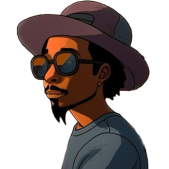
- A cartoon style looks like a comic book.
- A watercolor style looks like it was painted with soft brushes.
- A futuristic style might glow and feel high-tech.
When you use tools like MidJourney or Canva AI Image Generator, you can tell the system which style to use by adding those words into your prompt.
Example:
Instead of typing:
A lion standing in a field
You type:
A lion standing in a field, watercolor painting
Or:
A lion standing in a field, hyper-realistic photography
Same lion. Completely different result.
Now let’s explore the most popular beginner-friendly styles.
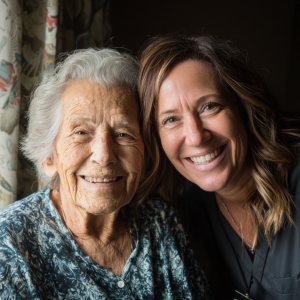
1. Photorealistic (Hyper-Realistic)
What It Looks Like:
- Looks like it was taken with a camera
- Detailed skin texture
- Realistic lighting and shadows
How To Use It in Your Prompt:
Use words like:
- photorealistic
- hyper-realistic
- DSLR photography
- 8k resolution
- cinematic lighting
Example:
A grandmother smiling in a picture with her daughter, photorealistic, warm lighting, DSLR photography
Best Uses:
- Blog hero images
- Professional branding
- Educational materials
- Inspirational Pinterest posts
This style builds trust because it feels real.
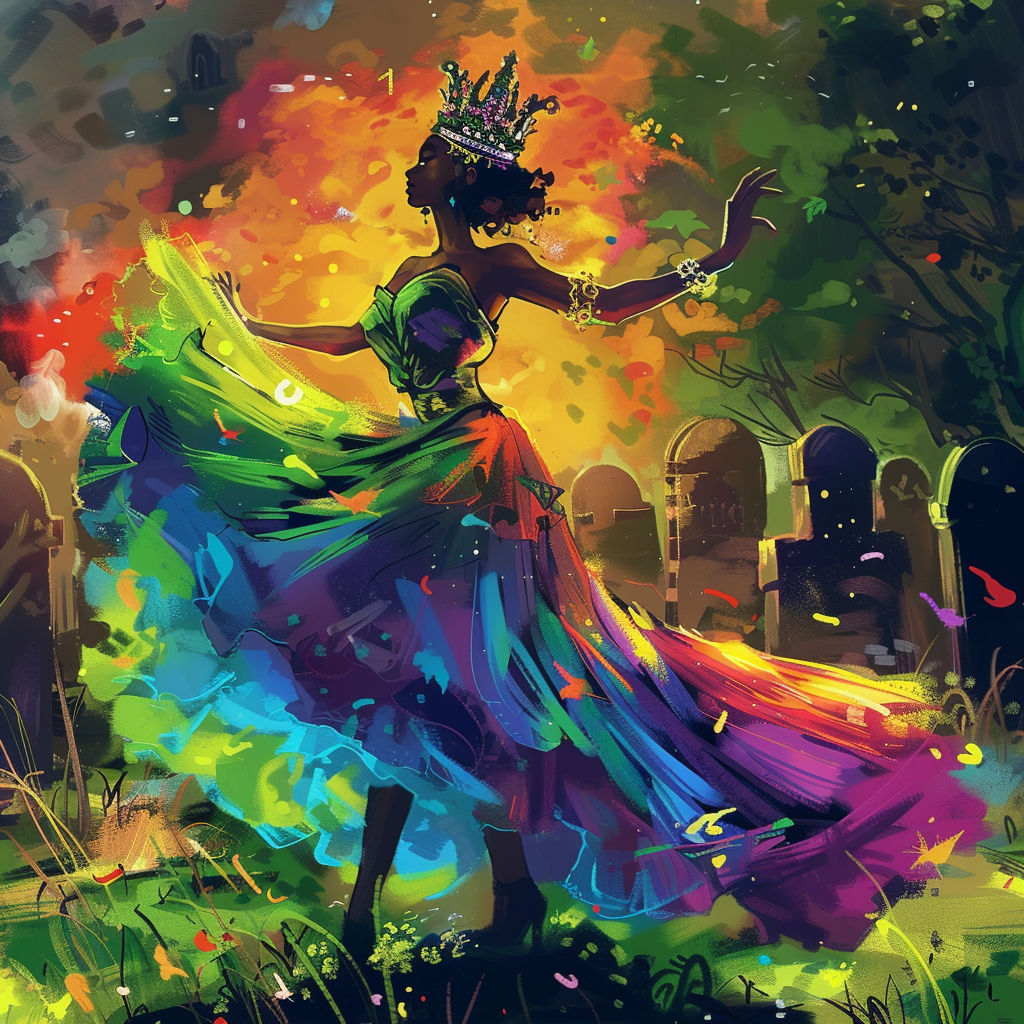
2. Watercolor Painting
What It Looks Like:
- Soft edges
- Gentle color blending
- Dreamy and calm feeling
How To Use It:
Add:
- watercolor painting
- soft brush strokes
- pastel tones
Example:
A woman dancing wearing a rainbow colored dress, watercolor painting, soft pastel colors
Best Uses:
- Children’s books
- Spiritual or calming content
- Gardening posts
- Gentle inspirational quotes
This style feels warm and emotional.
3. Cartoon / Illustration Style

What It Looks Like:
- Bold outlines
- Bright colors
- Simple shapes
How To Use It:
Add:
- cartoon style
- comic book style
- flat illustration
- animated character
Example:
A middle aged man with a worried facial expressing in front a laptop computer, cartoon style, bright colors
Best Uses:
- Educational content for kids
- Social media posts
- Explaining complex topics simply
- Fun tech tutorials
If you’re teaching beginners about AI, this style makes learning less intimidating.
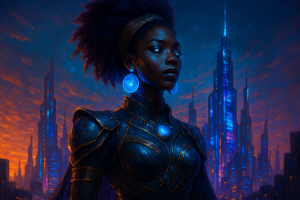
4. Futuristic / Cyberpunk / Afrofuturism
What It Looks Like:
- Neon lights
- Glowing colors
- Advanced technology
- Sci-fi atmosphere
How To Use It:
Add:
- cyberpunk
- futuristic
- neon glow
- sci-fi
- afrofuturism
Example:
A tech entrepreneur in a futuristic city, neon lights, afrofuturism style
Best Uses:
- AI and technology posts
- YouTube thumbnails
- Pinterest boards about innovation
- Motivational “future builder” themes
This style feels bold and visionary.
5. Traditional / Cultural / Historical
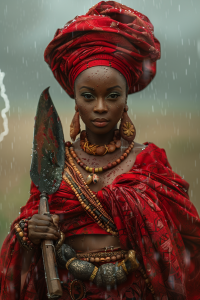
What It Looks Like:
- Rich textures
- Cultural clothing
- Historic detail
- Symbolic imagery
How To Use It:
Add:
- traditional art style
- renaissance painting
- oil painting
- cultural portrait
Example:
A female warrior with a traditional Yoruba spear and wearing traditional Yoruba clothing, traditional oil painting
Best Uses:
- Cultural education
- History lessons
- Spiritual posts
- Heritage storytelling
This style connects us to legacy and identity.
How To Choose the Right Style
Here’s a simple formula:
Ask yourself:
- What emotion do I want people to feel?
- Trust → Photorealistic
- Peace → Watercolor
- Fun → Cartoon
- Innovation → Futuristic
- Heritage → Traditional
- Who is my audience?
- Kids → Cartoon or Watercolor
- Seniors → Photorealistic or Traditional
- Tech audience → Futuristic
- Where am I posting this?
- Pinterest → High detail + bold visuals
- Blog → Photorealistic or clean illustration
- YouTube → High contrast, bold styles
Final Beginner Tip
When using MidJourney or Canva:
👉 Always describe:
- The subject
- The art style
- The lighting
- The mood
Example full beginner prompt:
A peaceful backyard garden with tomatoes growing, watercolor painting, soft morning light, calming mood
That one extra line — “watercolor painting” — changes everything.
Ready to Learn More?
If this guide helped you understand AI art styles, don’t stop here. I share simple, step-by-step lessons on AI, gardening, and technology designed for everyday people — no technical background required.
Subscribe below and join the community. Let’s learn and grow together.