
Money is one of the most talked about subjects in the world, yet one of the least understood. We spend years learning how to earn it, but very little time learning how to manage it—or understanding what our relationship with money says about us.
Money isn’t just a financial tool. It’s a reflection of our values, our priorities, and often our spiritual maturity.
Whether you follow a particular faith, embrace ancestral traditions, or simply believe in living with purpose, one principle remains constant: how we handle what we’ve been given matters.
Money Is Energy, Not Identity
Too often, people attach their worth to the amount of money sitting in their bank account. When there’s plenty, they feel successful. When it’s tight, they feel like failures.
But money doesn’t define your value.
It simply amplifies your habits.
Someone who is generous with little will often remain generous with much. Likewise, someone who is irresponsible with small amounts rarely becomes responsible simply because they earn more.
The issue usually isn’t income.
It’s stewardship.
Responsibility Creates Freedom
Many people think financial freedom starts with making six figures.
In reality, it starts with responsibility.
- Paying bills on time.
- Living below your means.
- Saving consistently.
- Avoiding unnecessary debt.
- Planning instead of reacting.
These habits aren’t glamorous, but they’re powerful.
Financial peace doesn’t come from having everything you want. It comes from managing well what you already have.
Every Dollar Carries a Decision
Every purchase answers a simple question:
“What do I value?”
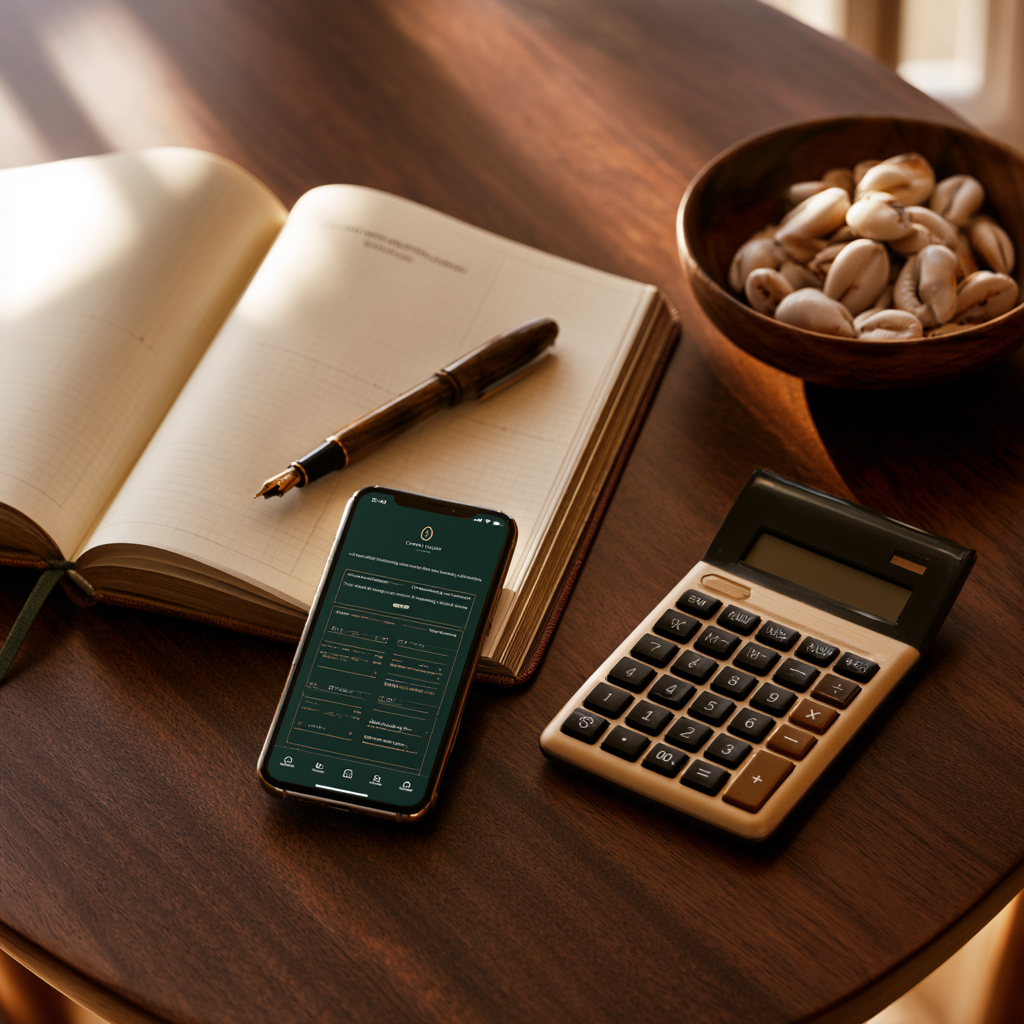
That doesn’t mean you should never enjoy life. It means your spending should reflect your priorities rather than your impulses.
When our finances align with our values, we experience less stress, fewer regrets, and greater confidence in our future.
Wealth Is About More Than Accumulation
Building wealth isn’t simply about collecting money.
It’s about creating options.
- Options to help your family.
- Options to support your community.
- Options to invest in education.
- Options to leave something meaningful for the next generation.
Money becomes most powerful when it serves a purpose beyond ourselves.
Gratitude and Accountability Go Together
Gratitude isn’t passive.
It encourages us to take better care of what we already have.
Instead of asking, “Why don’t I have more?”
Ask:
- Am I managing what I already have wisely?
- Am I preparing for tomorrow instead of only thinking about today?
- Are my financial habits building the future I want?
Those questions often reveal more than another paycheck ever could.
Practical Meets Spiritual
Spiritual principles become meaningful when they’re practiced.
- Creating a budget.
- Tracking expenses.
- Building an emergency fund.
- Paying down debt.
- Saving consistently.
These aren’t just financial exercises.

They’re daily acts of discipline and responsibility.
That’s one reason I created Cowrie Ledger—to help people become more intentional about where their money goes. Tracking your finances isn’t about restriction; it’s about awareness. When you understand your financial habits, you’re better equipped to make decisions that align with your goals and your values.
Final Thoughts
Money itself isn’t good or bad.
It’s a tool.
The real question is whether we’re using that tool with wisdom, purpose, and responsibility.
When we begin to see money as something we’re entrusted to manage—not something that defines us—we develop healthier financial habits, stronger communities, and a lasting legacy.
Financial success isn’t measured only by what you earn.
It’s measured by how faithfully you manage what you’ve been given.
Call to Action
How do you view money—as something to spend, something to save, or something you’re called to steward? Share your thoughts in the comments, and if you’re looking for a practical way to track your finances with intention, explore the Cowrie Ledger app. Small, consistent habits can lead to lasting financial peace.Freedom & Mindset